In today's fast-paced world, creating a sanctuary at home is essential. A soundproof bedroom door can greatly enhance your peace and privacy. But what should you focus on? Understanding what to look for in a soundproof bedroom door is vital for ensuring you make the right choice.
When selecting a soundproof door, consider materials and construction quality. Solid wood and specialized acoustic materials typically provide better sound insulation. The thickness of the door matters too. A thicker door often means better noise reduction. Look for other features like proper seals and frames. They play a crucial role in minimizing sound leakage.
However, it’s important to recognize that no door can create complete silence. External noise can still seep through windows or walls. While investing in a soundproof door is beneficial, it may not solve all your noise problems. Reflect on your specific needs and the overall environment. This will help ensure you find the most effective solution for your soundproofing requirements.
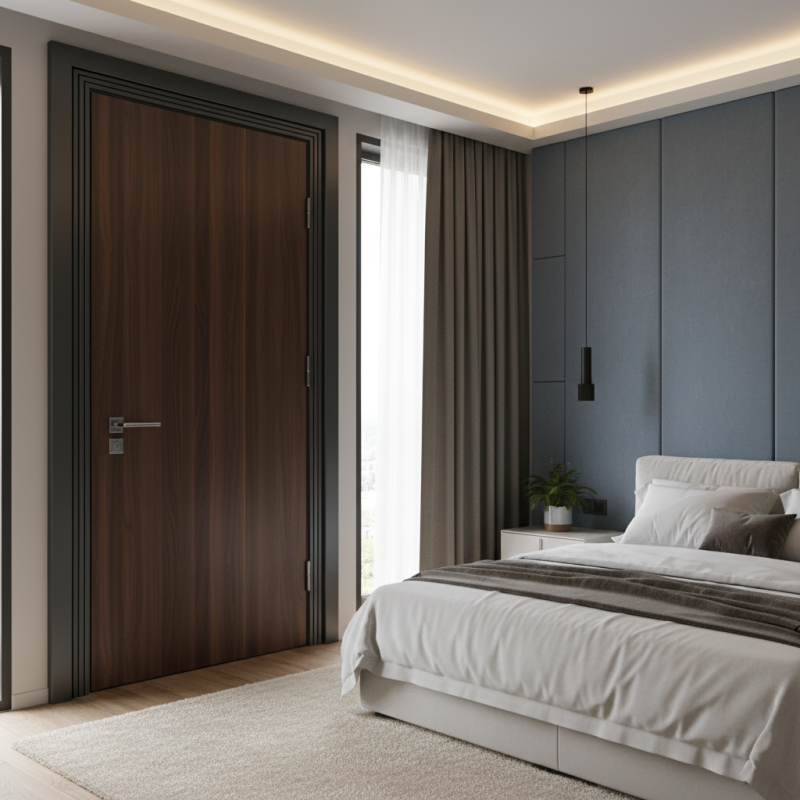
Key Characteristics of Effective Soundproof Bedroom Doors
When choosing a soundproof bedroom door, several key characteristics come into play. One of the most important features is the door's material. Solid core doors, made from high-density materials, can significantly reduce noise transmission. According to the Department of Energy, a solid core door can reduce noise by up to 30 decibels. This means a quieter, more serene space for rest.
Another crucial aspect is the door's seal. Effective soundproof doors often incorporate weather stripping that prevents vibrations from slipping through gaps. A report from the Acoustical Society of America highlights that proper sealing can enhance sound isolation by more than 50%. The installation of soundproofing thresholds further enhances this barrier, ensuring that even the smallest openings are covered.
Weight is also an essential consideration. Heavier doors tend to provide better soundproofing by blocking sound waves more effectively than lighter ones. However, this can pose challenges regarding ease of use. A heavier door might require a more robust framing to support it. Investing time in selecting the right hardware is equally vital, as hinges and locks play a role in the overall soundproofing effectiveness.
Materials That Enhance Sound Insulation in Bedroom Doors
When considering a soundproof bedroom door, the materials used are crucial. Certain materials offer superior sound insulation, significantly reducing noise from outside. For instance, solid wood doors are dense and absorb sound effectively. They provide a robust barrier against noise, but they can be heavy and costly. On the other hand, hollow core doors have less soundproofing capability. They are lighter and cheaper, but they may not serve the purpose well.
Fiberglass and steel doors have their benefits, too. Both can block sound while providing durability. Fiberglass offers insulation properties, making it a great choice for energy efficiency. Steel, while it may seem cold and industrial, can absorb sound and add a modern touch to your decor. However, it can also be prone to denting. Each material has its strengths and weaknesses, which should be carefully weighed based on your needs.
Acoustic panels are another viable option to consider. These can be added to your existing door or used elsewhere in the bedroom to enhance soundproofing. They come in various designs and colors, allowing for creative expression. However, they might not provide the same level of sound absorption as a solid door. Ultimately, the choice of materials should blend aesthetics with functionality, ensuring a peaceful sleeping environment.
Design Elements That Contribute to Noise Reduction
When considering a soundproof bedroom door, design elements play a crucial role in noise reduction. The construction materials are essential. Solid wood or composite materials generally serve better than hollow-core doors. According to the Acoustical Society of America, thicker doors can reduce noise levels by 20 to 30 decibels. This reduction can significantly improve your quality of sleep and relaxation.
Installation techniques also impact noise reduction. A properly fitted door minimizes gaps that can let sound seep through. Weather stripping and door sweeps can enhance the door's effectiveness. According to a report by the National Institute of Standards and Technology, sealing these spaces can lead to a noise reduction improvement of up to 50%.
Tips: Choose a door with a high Sound Transmission Class (STC) rating for better soundproofing. Aim for an STC rating of at least 30 for residential use. Also, consider adding acoustic panels or heavy drapes in the room to further dampen noise.
Mind that aesthetics matters too. A beautiful door enhances the room's decor while serving its purpose. Yet, remember that even the best doors may not eliminate noise completely. Be aware of your surroundings and consider more comprehensive soundproofing solutions for ultimate tranquility.
Installation Tips for Maximizing Soundproofing Efficiency
When installing a soundproof bedroom door, attention to detail is crucial. A solid door is a significant factor. Look for doors that are heavy and dense. They should also fit snugly within the frame. Gaps around the edges allow sound to seep through. Consider using weather stripping to seal these gaps. It’s a simple, yet effective addition.
Acoustic panels can boost soundproofing. They can be added to the door itself. Another strategy involves using soundproof door sweeps. These blocks noise at the bottom of the door. Make sure to align them carefully. Even a small misalignment can compromise effectiveness.
Installation should be done thoroughly. Check for any visible gaps post-installation. If you notice any, reassess your sealing methods. Sometimes, DIY installations can miss crucial points. It may be wise to consult a professional. They can offer insights specific to your space. In the end, every little detail contributes significantly to soundproofing efficiency.
Soundproofing Features in Bedroom Doors
This chart illustrates the effectiveness score of various soundproofing features commonly considered in bedroom doors. The scores reveal the importance of mass density, sealing effectiveness, sound absorption, and threshold design in achieving optimal sound isolation.
Comparative Analysis of Various Soundproof Door Options
Choosing the right soundproof bedroom door involves a detailed comparison of available options. Research shows that a solid core door significantly reduces noise transmission. According to industry studies, these doors can cut sound transfer by up to 30%. However, factors like installation quality and the surrounding frame also play crucial roles.
Acoustic doors, designed specifically for soundproofing, provide excellent noise reduction. They are often fitted with rubber seals to block sound leaks. Some products in this category boast a Sound Transmission Class (STC) rating of 50 or higher. This means they are effective at minimizing disruptive sounds, creating a more peaceful environment. However, their premium pricing may be a barrier for some consumers.
Not all soundproof doors are created equal. Factors such as weight, materials, and design impact overall effectiveness. For instance, heavier doors usually offer better sound dampening qualities. Despite being a priority for many, the of these doors sometimes gets overlooked. Homeowners often need to balance noise reduction with style. Selecting the perfect door requires careful consideration of these trade-offs.
FAQS
: Solid core doors made from high-density materials are effective. They can reduce noise by up to 30 decibels.
Proper sealing is crucial. Weather stripping can enhance sound isolation by more than 50%.
Yes, heavier doors block sound waves better. However, they may require more robust framing.
Proper installation minimizes gaps. Weather stripping and door sweeps significantly improve noise reduction.
Aim for an STC rating of at least 30 for residential use. Higher ratings indicate better soundproofing.
Yes, aesthetics matter. A beautiful door can enhance decor while still providing soundproofing.
Yes, acoustic doors often have rubber seals and can achieve STC ratings of 50 or higher.
No, even the best doors may not completely eliminate noise. Additional soundproofing may be necessary.
Yes, premium acoustic doors may be more expensive. Consumers often balance cost with effectiveness.
Homeowners need to balance noise reduction with style. A careful selection process is essential.
Conclusion
When considering what to look for in a soundproof bedroom door, it's essential to understand the key characteristics that contribute to effective sound insulation. Look for doors made from dense materials like solid wood or composite materials, which can significantly enhance soundproofing. Additionally, certain design elements, such as double seals and an airtight frame, play a crucial role in minimizing noise intrusion.
To maximize soundproofing efficiency, proper installation is equally important. Ensuring that the door fits snugly within the frame without gaps can prevent sound leakage. A comparative analysis of various soundproof door options can further guide you in making an informed decision, helping you choose a door that not only meets your aesthetic preferences but also effectively reduces noise, creating a peaceful sanctuary in your bedroom.

 Med Door